 Call us now:
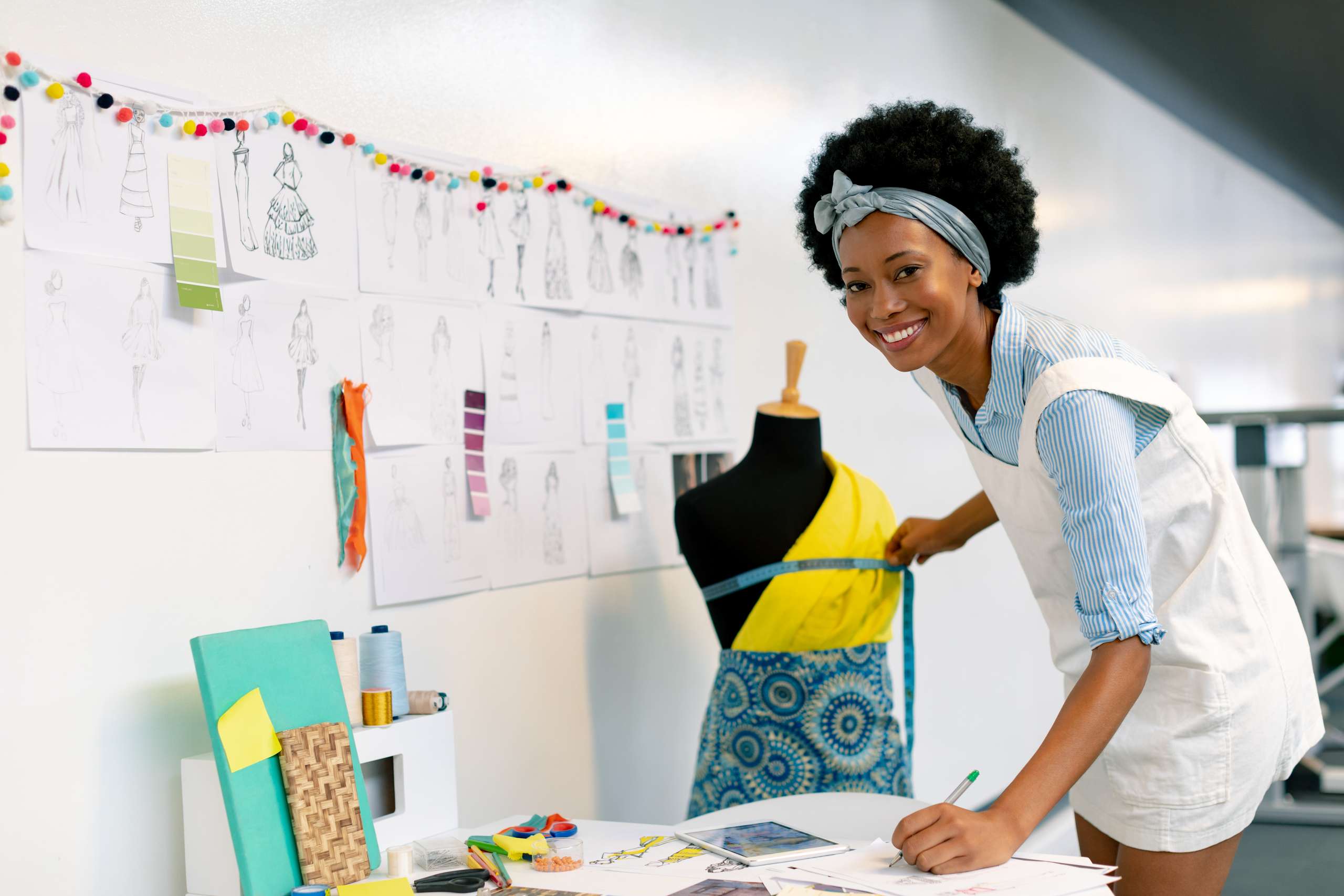
This is something you’ll need to practice over time as you work with different fabrics, but when you’re in the beginning stages of learning how to design clothes, it’s easy to forget that your 2D sketch will eventually be made of a 3D material that may not act the way you want it to. For example, you might design a beautiful coat, but if you make it out of a fabric that doesn’t have enough structure, it will lose its shape and droop. Or you might design a lovely flowy dress, but if you make it out of a stiff fabric, it will stick out at odd angles and look bulky. Most beginning designers choose fabrics based on color alone, without thinking about the weight, drape, and texture of the fabric and how that will affect the overall design.
It’s also important to remember that different fabrics will fold in different ways. For example, a thick cotton fabric will make a big, rounded fold, while a thin satin will make a small, sharp fold. If you’re used to working with thick cotton, you may make your folds too big in your sketches if you’re planning to use a thin satin. Whenever possible, get your hands on fabric samples and play around with them. Squeeze them up in your hand, drape them over your fingers, and let them dangle. See how they fall and how they behave. Then try to mimic the way they behave in your designs.
Another thing to consider when choosing your fabric is the sheen. Matte fabrics will absorb light and tend to make your garment look smoother and less lumpy, while shiny fabrics will reflect light and accentuate every bump and seam. If you’re planning a garment with a lot of seaming, shiny fabric may not be the best choice because you won’t be able to see the detail. On the other hand, if you’re making a smooth garment with very few seams to break up the line, shiny fabric can make it look sleek and beautiful. All of these are things you’ll get a feel for as you work with more fabrics, but the best way to get started is to practice, practice, practice.
Try this exercise: take a design you like, and sketch it four times. Label each sketch as a different fabric, for example, wool, linen, silk, and chiffon. Then adjust the sketch accordingly, taking into account the weight and texture of the fabric, the way it will fold and drape, and how it will reflect the light. Take a minute or two to jot down some notes about how you think each different version of the garment will feel when it’s finished, and how it will behave when you move around. As you get more comfortable working with different fabrics and thinking about how they will affect your designs, you’ll be able to bring your designs into the real world more successfully.
But if you’re still having trouble, try looking for other garments made from similar fabrics to your design, and see how they behave. Look at how the hems hang, how the sleeves crease, how the collar lays. All of these things can help you make decisions about your designs and bring them out of the realm of fantasy and into the real world.